Showing posts with label ministry. Show all posts

Wednesday, 14 October 2020

07/09/2020 Five years later - now ordained!

See my previous anniversary posts: One year, two years, four years
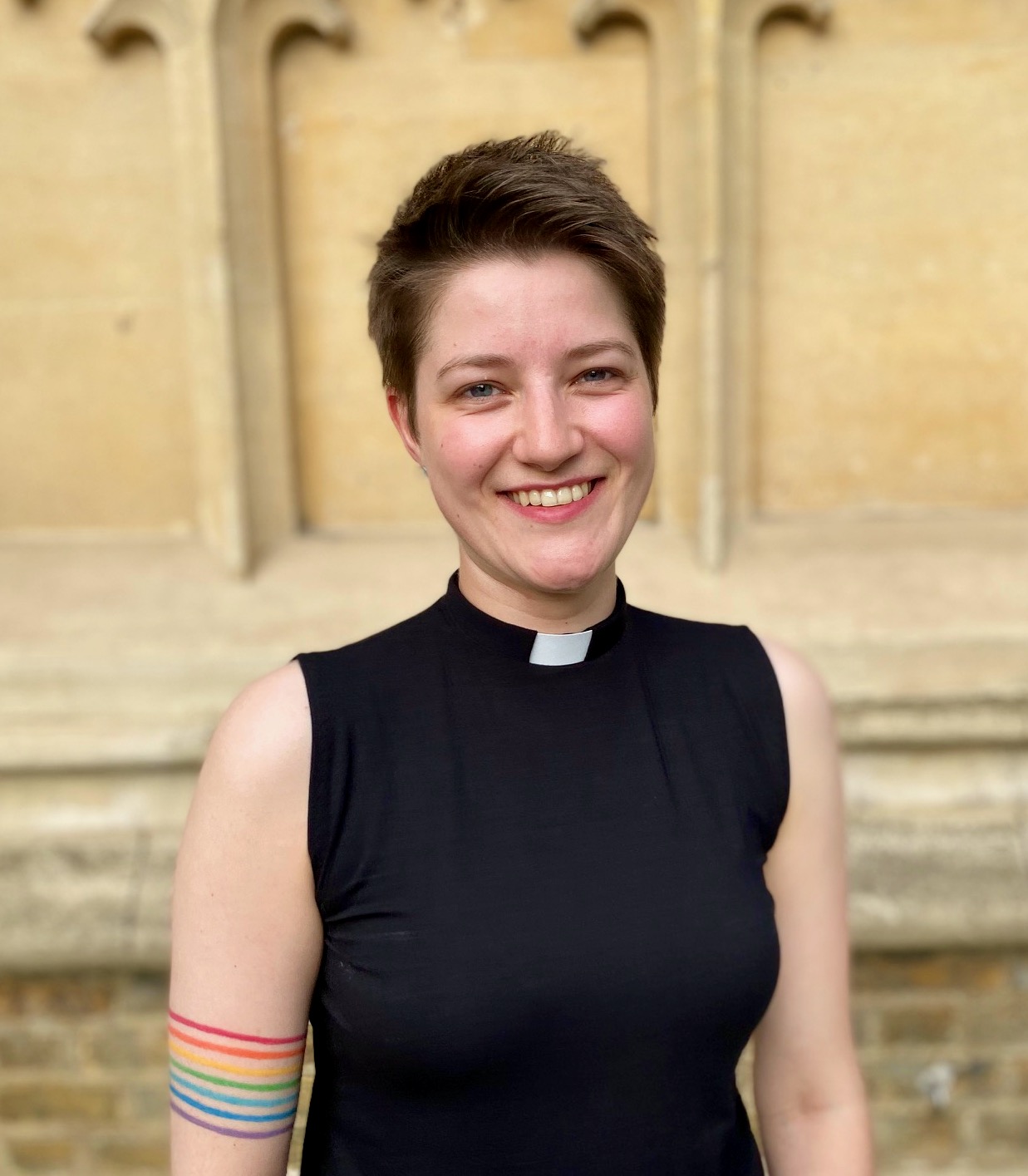
My ordained team photo, taken outside my curacy church

My other anniversary posts might have been a bit late into September, but it is unfortunate this year that I have made it into October before getting round to it. I do think I can be given a bit of slack though, due to the global pandemic and the small matter of getting ordained. 

So it's finally happened. I'm sitting here in a clerical collar. And I must say I really haven't processed the whole thing yet. Let's start with a look over the last year.

It's been a much bigger shift than my last anniversary posts have covered. Last September I was starting third year, courting a curacy, and worried about my dissertation. I was part of a community, with a house full of friends, and I had a very full and exciting summer with lots of travel and new people and experiences. I felt like I was on a conveyor belt. 

Now the whole world has changed, and then my corner of it has changed even further.

I didn't get to enjoy my final term and engage in the the rituals of ending properly. I moved house in fraught and subdued circumstances, back to a city with a very different rhythm to the one I was leaving. An empty house with my three pieces of furniture, all on my own, my first time in full control of a household. I started a curacy without being ordained, and with worship a far cry from what is usually is. 

When you read the literature about stress, I tick most of the boxes for big life changes - moving house, new job, committing to a relationship, money worries, on top of times of uncertainty, lack of control, and additional responsibilities. I am very lucky that I have secure employment and housing, and I have not been bereaved, but I think it's still fair to say I have had a lot to handle.

Yet again, it is lots of life stuff, not so much God stuff that has taken most of my time and energy, and whilst everything has been turned on its head (again), the religious stuff is coming to the fore, but not so much my own spirituality. Learning and committing to a new church as one of its clergy, at a time when everything is weird and we don't know what Advent will look like, is bloody hard. All clergy have to put effort into maintaining their own spiritual lives underneath day to day ministry, but I think those of us starting curacy this year are at a disadvantage that we have more to get under without the benefit of years of practice.

Anyway, the ordination. Here's a glimpse of what I was feeling the day before it happened, and some snippets from the livestream of the service itself.


(the full ordination service is available here)

It definitely now feels like I've started something, I'm in a new chapter (and of course, I have joined deanery chapter, haha!). Who I am has now clicked into place with the life I've been living, and all the small inconsistencies have been smoothed out. Even just watching this video back a few weeks later, I do feel like a different person. It's not dramatic, but it is noticeable. And I'm not as worried about having a 'schema'; all the rhetoric about being yourself as a clergyperson rather than fitting into a set pattern of 'what a priest is' makes so much sense - who I am behind this collar is as much a clergyperson as my colleagues, but in so many different ways, and that's beautiful and marvellous.

My sense of self has definitely cleared up since I wrote about it in August. I am no longer fractured or unsettled. My identity is more certain. I cannot know how this all would have gone down if I had been ordained in July in a world without Covid-19, but no matter. 

How are me and God doing? Well, in a previous post I wrote "God and I have a very slow-moving relationship, because it is true that I do better at things in life if I get to work up to it in a thorough and methodical manner. God understands that better than I do when I'm being blinded by my enthusiasm and passion." This still rings true. I understand quickly but retain slowly, so building up to being an ordained curate by doing it as a lay one first might have been a bit of a blessing.

God is the undercurrent, as always. I get comfort and reassurance when I stop and check in. As per my MO, daily corporate prayer is an anchor point, particularly the eucharist on a Monday evening. The eucharist has also been a touchstone place for me and God.

Am I still on my axles in God's workshop? I haven't thought about this imagery much lately, but I re-read some posts and came across it. I thought when I last wrote about it that I would eventually "set down off the stand ready to hit the throttle into curacy, to warm up the tyres and get to grips with the upgrades, so that I can journey well in the rest of my life in ministry". I don't feel like I've necessarily hit the throttle as such. I was stuck revving the engine with a depressed clutch for a while, but I have nosed out the garage doors now. I can feel the sun on my new, novel parts, and I'm slowly testing out my new shape and features in the yard.

I can see the life-long learning ahead of me. Growing as clergy will happen every day - slow days, days off, bad days. I like who I have become in five years. I am where I should be, lucky son of bitch that I am. I love God, I love people, I love the Church (for all its flaws). I love being ordained, at least so far.

Being public property will get wearing. Working too many hours will be hard. Holding people through the highs and lows of life will take a toll. Meeting problems I cannot fix will wound my soul. I cannot predict what else this life is going do to me, or the people in my life. I cannot predict what my life will look like. But thank God I was called so young - the unexpected adventures ahead, the anticipation of the unknown, it's an incredible gift. I hope I never take it for granted. And I hope I can keep taking you along with me.

Friday, 1 June 2018

Video: Self-care as an ordinand (Know Thyself)


"Nosce te ipsum." - Ancient proverb

"This above all: to thine own self be true, And it must follow, as the night the day, Thou canst not then be false to any man." - Hamlet Act 1, scene 3

Wednesday, 22 March 2017

Towards Ordained Ministry: Session Five

This post details my experience of Session Five of the Towards Ordained Ministry course. See my previous posts about session one, two and four to find out what the TOM course is.
--


Spirituality - Will you be diligent in prayer, in reading holy Scripture, and in all studies that will deepen your faith, and fit you to bear witness to the truth of the Gospel?

The person who was supposed to take this session phoned the organiser an hour beforehand to say they were ill and wouldn't make it; so Neil himself had to do it. Revd Neil Evans is the Director of Ministry for the London Diocese, and it was encouraging that 20 years of ministry stood him in good stead to cover the entire topic of spirituality in ministry with only an hour's notice!

He started with the classic reassurance that we all struggle and wrestle with prayer, and there is no such thing as a expert in prayer, followed by the hackneyed but true "pray as you can, not as you can't".
Image result for christian monks praying

A bit of background on him and his experience of prayer started with his training at Mirfield, where he learnt monastic prayer, which is regular, communal and supportive. Once he left the community, he had to find a new way to pray, and he explained three ways he has found useful.


One is apostolic, or 'on the go', which is living in a prayerful way, going out in the world but always being firmly based in an underlying spirituality.


Image result for anglican daily officeThe second is the daily office which is tool that you can hold onto, and he has found it has rooted him; morning prayer is a great place to start the day and go out from; and not being able to choose favourite chunks of scripture is good, being given them means you engage more thoroughly.


And the third is an annual retreat, always finding space for it every year.
Image result for spiritual retreat

He asked us to discuss with our neighbours "What does prayer mean to you?" and the answers that were fed back included
- liturgical vs charismatic prayer has a difference for each of us
- the acronym PACTS is useful - Pause, Adore, Confess, Thank, Supplicate
- there are examples to follow in the Bible
- working in a church really cements the difference of private vs corporate
- pastoral, with people in the moment
- discipline as there is no substitute
- bring everything to God including the mess
- we don't have to pretend and yet we are still loved
- there is space for spiritual gifts as different expressions of awe
- not just speaking to God as Father but also approach as Creator
- counter to common perception, it is not just asking but more being in the presence

There are very different ways to pray but one can't disagree with somebody's else's way - it's not wrong. just not right for me. Church buildings soak up prayer and cathedrals are saturated with it, but the key to any type is 'is God being honoured'? The "gift of the CofE" is that that can be done in many traditions! If God is worshipped, disagreeing with a tradition is meaningless.

So what works for somebody comes from who they are; the sort of person I am invites me to pray in a certain way. All personality preferences are valid (though you can take it too far) as God will not desert us where ever we are. We are entering into the presence of God, putting ourselves in the way of God, by and for finding ourselves in that presence.

There are dangers in praying, pitfalls we can easily fall into, such as telling God what to do, avoiding getting things done ourselves, and also in such environments like prayer groups, falling into gossiping. There's also a lot of complexity around prayers for healing, and Neil only touched briefly on the subject, basically saying that miracles do happen but there are no simple answers and ultimately it boils down to "Thy will be done".


Image result for praying

He moved on to 'ministerial development review' and the question of how one went about judging a priest's prayer life, but basically, in an intangible way, people do just 'know' if their priest is praying. More tangible measurements are questions like 'who supports you in your prayer life?' which he posed to us and some answers that came back included:
- spiritual director
- having a day off
- I said my agnostic/atheist boyfriend and a woman across the room empathised that her similar husband had also helped her
- tools eg emails, apps - structure
- other broken people you can't fix
- room mates who are also 'bad at prayer', collectively providing accountability
- church prayer ministry team
- being around someone who is themselves disciplined, by example or 'osmosis' as it were
- social media - both friends and strangers

We finished with as form of praying scripture (Mark 9.2-29) which wasn't really for me but I did get an interesting moment or two out of it.


--
The previous sessions were:

- Authority - Do you accept the discipline of this Church and give due respect to those in authority?
- The Bible - Do you accept the holy Scriptures as revealing all things necessary for eternal salvation through faith in Jesus Christ?
- Doctrine - [I missed this one] Do you believe the doctrine of the Christian faith as the Church of England has received it, and in your ministry will you expound and teach it?
- Ministry - Will you be a faithful servant in the household of God, after the example of Christ, who came not to be served but to serve?

The last one will be:
- Mission - Will you lead Christ’s people in proclaiming his glorious gospel, so that the good news of salvation may be heard in every place?

Thursday, 2 March 2017

Towards Ordained Ministry course: Session Four

(Yes, I missed the third one!)


This post details my experience of Session Four of the Towards Ordained Ministry course. See my previous posts about session one and two to find out what the TOM course is.
--
Ministry - Will you be a faithful servant in the household of God, after the example of Christ, who came not to be served but to serve?
Image result for lucy winkett
This was a slightly odd session for me because it was taken by Revd. Lucy Winkett, who is my sponsoring priest. She was talking about ministry, what it is, how she goes about it, what is expected of us and what is important. I was reflecting on the bus home that it was like reading an essay breaking down a piece of music and explaining all the component parts, but I recognised it, I knew what it sounded like because I had seen it played out for years.


I was also once again bowled over by my luck that I know her and have been able to learn from her, let alone work closely with her on my discernment journey. People were queuing up to talk to her at the end and I was completely unsurprised. 

She introduced herself and explained that she would "do theology the way I know how to do theology" which is in a relational way, so she had stories and props. a bit about herself include the struggle of training for ministry at a time when women couldn't be priests, making the point that even if things look impossible, "you just have to start". "Discerning my vocation has never stopped" as it's a life long task and we "never stop learning".

The phrase "exercising" ministry was rejected. The important starting point is that our greatest calling, our deepest calling is to be a human being made in the image of God - "to be you as God made you" and "relate to other people as Jesus did". The Holy Spirit "is a dynamic and live Spirit" which sometimes the institution can confine; the balance needs to be struck between necessary competency and freedom of that fundamental calling.


Image result for camino de santiago scallop shell
Lucy's didn't quite look like this
 but you get the idea
Her first prop made me smile when she took it out of the bag. It was a scallop shell; specifically The scallop shell on a string that she wore during her cycled pilgrimage down the Camino de Santiago, which is the Way of St James, and a symbol of that saint, so very much an image within the life of St James' Piccadilly, my and Lucy's church. She gave this backstory and made the connection that pilgrimage is to "make a faithful journey with a purpose" is also a description of life.

The shell reminded her  that she doesn't know what is going to happen tomorrow, so she can't lose her sense of adventure. There's a danger that it can lost in the church's repetition, which leads to the disillusion quest for control.


Second out of the bag came a stole, a red one she was given in Jerusalem. She covered its practical symbolism, that of the towel Jesus wrapped around himself to wash the disciples feet, putting it on in the fashion of a deacon - "look a bit like Miss World" -  and then as the 'yoke' of a priest, 'my yoke is easy, and my burden is light' - of the life of a priest, "deep, deep down it's a life you're asked to love". Following your calling can be hard but God works like satnav, so even you divert off-course, the path is just recalculated so you still end up where God wants you to be. Lucy reassured of this gentle "movement of the Spirit."


The third prop was a Bible. This must infuse our lives, but it gets"tribalised" and that must be resisted. Ministers must know, read, love, and be instructed by scripture. "Encounter it every day" and it will make you counter-cultural, making sure the encounter is a conversation, even if it's an interrogation, where you wrestle with it like Jacob and the angel [at this point she grabbed hold of the pages in demonstration, gripping them in her fists, which was quite effective for being so startling]. And the encounter should be with your head, your heart, and your feet, getting out and being with people to meet Jesus.


Next was the topic of Holy Communion, combining the Bible and the stole in the importance of being rooted and grounded in Word and Sacrament; that's what it means to be a priest in the CofE. It's the one true thing that defines and separates a priest, being the only one who presides at the Eucharist. Being called to be a priest is to be called to stand at a crossroads, at the boundary "between time and eternity" as well as going to the edge, to the margins.


Mary Poppins-like, the props bag produced another item, this time a tennis ball, which Lucy proceeded to chuck back and forth amongst the bemused candidates. Don't forget to play was her point. "I realised that 'church fun' isn't actual fun" was met with much hilarity. Do things that you enjoy, and when you're in a position of leadership, bring those ideas to planning church events, get 'actual fun' into church life. One of Lucy's common sayings is "warm white wine and Twiglet just don't do it for me".

In a more serious vein, we are called to emulate what Paul calls kinosis, the emptying of God. But if we are to give ourselves away, play "insures there is a self to empty". Jesus was emptied on the cross but was also resurrected, so we're not called to be completely laid waste. And your misery as a minister could cause havoc. "As a basic, you do have to like people," she said, which means you need to know yourself and how you connect best and find that balance. Extroverts [like me] need to learn to not always be with people all the time. It's not necessarily a goal of 'emotional harmony' in a community; to build an apostolic church is to have a outward-looking community of combined celebration and forgiveness.


Image result for air raid helmetOur last prop was an air raid helmet. The obvious is true, that priests need a bit of a thick skin, but beyond that "I think priests should get into trouble...good trouble." Conflict isn't inherently bad; the creative possibility it creates should be moved towards rather than avoided. There's a strand of ministry to be prophetic ie see what others overlook, and developing a "theology of your own mistakes" can help build that creative environment where all "feel equal enough to disagree".

Moving away from the visuals, Lucy reclaimed a maligned Biblical character as a model for priesthood - Martha. She's known for being practical, and being a priest is a practical job - you've got to roll your sleeves up sometimes. And after Lazarus died, she was proactive, confronting Jesus and showing an example we should follow in prayer, in being honest when speaking to God. That speaking up, that "naming what is stinking", that harks back to the prophetic, passion for justice, and getting into trouble for it. And she also "names the truth", contemplative in a way Peter isn't (Peter ends up having a row with Jesus).
--
So cleverly, I have made notes from the Q&A but did not write down the questions, some of which I cannot remember. For the first question I wrote down "miraculous God - the reality is so far away, obviously fear but need to trust, then can accept that."

Next I wrote the Yiddish saying "Man plans. God laughs" which I rather like and resonates with my own story.

I do remember that the next question was something like 'which is more important, Scripture or Sacrament?' and I wrote "in the end, scripture and eucharist are inseparable - cannot dispense with either - confidence vs rigidity" that last bit referring to the argument in the church over the relative importances, and you should have confidence in your own spirituality and tradition without being rigid about it."priests - narrators, "keep saying what you believe and try and live it."

Then came a question about boundaries. Priests should be "seen to be open and fair" - boundaries are important but difficult. There is a restlessnesss in relationships with congregation members that you don't have with friends, and that comes from your responsibility as a leader/
Sidenote about friends from before your ordination - keep hold of them! You will end up reworking them but you need them, even if they say things like "don't you put your vicar face on!"

This segued into a conversation about being visibly a priest in public, such as "people love watching what vicars buy" and her anecdote about being mistaken for a strippergram. She brought it round to the serious point that you don't actually have to be this glorified and unrealistic ideal people expect of you being 'holy'. Jesus is a visceral example of not being 'holy' in the expected way. Don't worry about what people think.

The last question was a candidates fear about his lack of musical ability. Lucy connected this with the previous question, opening it up to encourage everyone to have an opportunity to not be good at something, as omnipotent priests discourage volunteers!

--
The previous sessions were:
- Authority - Do you accept the discipline of this Church and give due respect to those in authority?
- The Bible - Do you accept the holy Scriptures as revealing all things necessary for eternal salvation through faith in Jesus Christ?
- Doctrine - [I missed this one] Do you believe the doctrine of the Christian faith as the Church of England has received it, and in your ministry will you expound and teach it?

Future sessions will be:
- Spirituality - Will you be diligent in prayer, in reading holy Scripture, and in all studies that will deepen your faith, and fit you to bear witness to the truth of the Gospel?
- Mission - Will you lead Christ’s people in proclaiming his glorious gospel, so that the good news of salvation may be heard in every place?

Monday, 27 February 2017

Video: Shadowing a priest in Scotland


That's a little snapshot of my week. I had such a good time. I've known the family for years, so it was good to be with friends and make new ones, and get away from work of course, but I also learnt a lot. I asked Alasdair if I could shadow him because staying with him and his family on previous occasions, I saw peripherally how his life as a priest was so different to the priests I know in central London.

The incident that set the idea in my mind was on his day off, answering the door in his pajamas and having to put on his wellies to go open up the church hall because whoever was supposed to hadn't! The vicar at the church where I work certainly wouldn't have cause to do that. It's good for me to see with my own eyes a situation I haven't really come across, namely a priest who is a radial point, the only full time person who ultimately looks after the church.

Also, his tradition is pretty Anglo-Catholic, and though my churches down in London are high enough to have robed servers and processions, Alasdair's Scottish Episcopal church is almost as far away from what I'm used to as the worship I experienced at the other end of the candle at Momentum or on Pentecost last summer, though not as high as my weekend with the Society of Catholic Priests. It's an important part of being in the Anglican Communion to understand the diversity of traditions held within it, and crucially it is in experiencing all these types of worship for myself that I am able to comprehend on a spiritual level that whilst my tastes and needs in liturgy and worship are different, God is in all of it.

So in doing thee's and thou's morning and evening prayer next door everyday, Mass both east facing and west facing (sometimes just the two of us), serving in cassock and cotta - I got my hands dirty in a way I didn't on the Catholic weekend away, plus Alasdair was very happy to answer my questions. Being with a priest who is not 'my' priest or just 'a' priest, but rather a friend, was a very useful space because (and this is also a mark of Alasdair's patience) I was able to push him to answer my questions further and defend anything I didn't understand or maybe didn't agree with, and also push back and challenge me.

That personal connection and staying with him and his family in the rectory was also able to give me insight into a priest as a whole, 'normal' person, that they talk about at vocation events, but is hard to actually understand in reality, to imagine a priest complexly, as the saying goes. At the same time, when off duty and in civvies, whilst not being the rector, even I as a friend and temporary member of his household could not shake an awareness of him being A Priest. That issue of perception is also often talked about at vocation events.

One thing I learnt about myself was I clarified why I don't like doing certain acts of kneeling in worship. I don't like kneeling to receive communion, and when I served on the Sunday in Scotland I had to genuflect, and boy, I did not like that either. It was as if, as my knee hit the marble, God winced. That kind of abasement is not part of our relationship. That's not to say I don't have a great reference for the Lord of the Universe, but you can have deep respect and show complete obedience without prostrating yourself. Sure, that's how some people show it, but I don't!

I'm also still processing something I 'learnt' in a way, but it's hard to articulate. It's something about being rooted in a place and how I don't feel called to that, at least not right away. I'm reminded of a sermon I heard about Psalm 84, and Hebrews 11 "They confessed that they were strangers and foreigners on the earth, for people who speak in this way make it clear that they are seeking a homeland. If they had been thinking of the land that they had left behind, they would have had opportunity to return. But as it is, they desire a better country, that is, a heavenly one." I've written before how I don't feel like I have a 'home', but not in a bad way, because I look to making a home in God, and in a more tangible way, making a home where I find God in other people. I don't know, it just doesn't feel like that rootedness is part of my path ahead of me, til the distant future...

Anyway, I got away from my liberal urban bubble and also got to know some of the laity. They were all lovely and when I tagged along for home visits, everyone welcomed me in very gracefully. Sure I heard gossip and politics, but you get that everywhere there are people, and there was no maliciousness amongst the people I met. Talking to the theologian/CofS minister was also interesting to get away from Anglicanism and hear another story of vocation.

But against all that it was just a church serving God and creation. It is reassuring to feel the same undercurrent where ever two or three are gathered in Jesus' name, and to learn from people who are dedicated to God. As I said in the video, where ever I go, "it's still church".


Friday, 3 February 2017

Towards Ordained Ministry course: Session Two

This post details my experience of Session Two of the Towards Ordained Ministry course. See my previous post about session one to find out what the TOM course is.
--

I googled the speaker before this event, the Rector of St Bride's Fleet St, and I was looking forward to hearing from her as she seemed pretty awesome. Plus getting our teeth into the topic 'The Bible' from a priest's perspective was quite a fun prospect.

I wasn’t disappointed. She tackled what could have been quite a controversial topic very well, imparting wisdom without opinion in a very down to earth manner.

There were lots of anecdotes and five minute pauses for us to turn to our neighbours and discuss something before feeding back to the group.

Intro
She laid her cards down from the beginning, encouraging that diversity is good for our understanding, and we all need to engage with the Bible for ourselves. She also told us a little about herself and her church, including the titbit that the first newspaper was founded by a woman.

Her story
When she got into it, she started by taking us through the place scripture has had in her own journey. It started with Anglo-Catholic Sunday school and RE lessons being simply Bible stories, using the KJV, the version that is “like, what God actually said”, which of course was tough to read, especially without help. She “didn’t know how to read” the Bible.

She eventually went to evangelical bible studies “because they did them better.” Then in her first year of theological college, the academic biblical study was “dislocating” and exploded her assumptions of scripture and informed her use of it in worship. She said she was “so grateful to go through that process”, and though she had to rethink a lot, it “all came back together”, meaning the initial loss turned into a profound understanding of scripture.

“Critical engagement” is key, because the power of scripture is in its “complexity” so ask the hard questions! And don’t skirt round the difficult bits.

“Living Word of God”
At this point she gave three examples of how scripture can be to us the ‘living word’.

One, having a “verse collide with your life” which can do things like make you realise your own emotion, and “unlock a situation”, effecting the external circumstances.
Two, reading something can give new perspective to overcome an internal struggle or a new direction after the resolution of an internal struggle.
Three, for 29 years she had to give between 4 and 7 addresses a week, and only extremely rarely did not speak to the lectionary texts. Of course she came across the same texts over and over, but they “always spoke to me in new ways”, and the texts she had to work, pray and engage with most led to “cracking” sermons.

The Bible is “gloriously subversive”, like the fact that it tells us it’s always the least suitable, the least capable person who is chosen to do God’s work - the ancient Abram, the argumentative and stammering Moses, the persecuting Pharisee Paul. When she went on a tour of Paul’s route through Greece, it “hit me like a ton of bricks” that his experience had, at the time, felt like a failure, and only God could see the big picture that we now see, of the success story.

The subversive-ness is in the call to humanity in all our brokenness and frailty, and that like Paul we should rejoice even if all we see currently is bad – we follow the crucified Christ, so we know that suffering is part of ultimate success. The Bible shows us we  have to think differently about what results look like”.

“Scripture is baffling”
Here she briefly touched on the stuff a lot of us don’t like, such as God obliterating whole nations in the OT, or being told we must hate our families and no one is good, in the NT. Her advice on how to engage was to inhabit the challenging texts in our prayer life, which might shed some light; and she reiterated that academic engagement can inform scripture in liturgy.

Interpretation
Following on from that, she did point out that the Bible does need to be interpreted, because when reading it, we’re “juggling” lots of factors, and it can have a big impact – just look at women’s ministry. But we can’t be blinded by the divisions over scripture that are currently fashionable, because they have changed radically over time.

For example, in the 1590s, weddings rings were a passionate issue of contention because they weren’t in the Bible. She’s a very keen fan of Richard Hooker, often cited as the author of Anglican morality, and alongside Cranmer and BCP, is the closest we have to a founding father – point being when he was writing his defence of Anglicanism, it included a huge amount on the use of wedding rings.

Another debate ran around the use of anaesthesia in childbirth, as ‘the Bible clearly states’ that the pain is our punishment handed own from Eve. You see, the engagement with scripture is not and will not ever be static.

But that begs the question, who do you decide to listen to? Who has the authority to interpret the Bible? It is personal and one must have a direct relationship with it, but there is a risk that we aren’t always well-balanced and it’s not always the Spirit that inspires interpretation! It is crucial to experience scripture in community and share and listen to reflections with others.

What is it
In a rather backwards way, she ended with how to define the Bible. It’s has two parts and an apocrypha, it’s made up of many genres, it’s the story of a promise and its fulfilment, written by many authors over a period of more than 1000 years.

We need a balance of acknowledging the process of a “fluid collection” of scrolls being shaped into the book we now have vs the reality that we acknowledge it as the Word.

It’s also a “very, very dangerous” book, look at poor Tyndale and result of his translation into English.

Looking at the Gospels in particular – we need them all!:
Matthew – set pieces, Messianic, polished
Mark – reader does the work, rough edges
Luke – tabloid, about people, engaging, Holy Spirit, the poor
John – like stained glass– need to see it from inside, mysticism, Christ’s divinity

The actual question
Finally she turned to the vow that was the title given to her for this talk, from the Ordinal – “Do you accept the holy Scriptures as revealing all things necessary for eternal salvation through faith in Jesus Christ?” Going back to her favourite author Hooker, the Anglican understanding is not Catholic, who believe it is “not enough” for salvation, nor Puritan, who believe that it is the only source of guidance for everything not just salvation.

Its authority for an individual must come in two stages; first, one must simply trust, based on one’s heritage of tradition that acknowledges its authority; and then second, one must pray and study to discover its innate authority for oneself.

--

The previous session was 
- Authority - Do you accept the discipline of this Church and give due respect to those in authority?
Future sessions will be:
- Doctrine - [I will miss this one] Do you believe the doctrine of the Christian faith as the Church of England has received it, and in your ministry will you expound and teach it?
- Ministry - Will you be a faithful servant in the household of God, after the example of Christ, who came not to be served but to serve?
- Spirituality - Will you be diligent in prayer, in reading holy Scripture, and in all studies that will deepen your faith, and fit you to bear witness to the truth of the Gospel?
- Mission - Will you lead Christ’s people in proclaiming his glorious gospel, so that the good news of salvation may be heard in every place?


Saturday, 28 January 2017

Towards Ordained Ministry course: Session One

A few nights ago I went to the first session of the London Diocese’s ‘Towards Ordained Ministry’ course. DDOs and college chaplains in the diocese refer candidates and potential candidates to this every year; it is another tool within the resources for discernment, but it lies in that in-between world of not quite being BAP prep but also being more intentional and sure than initial exploration events. Talks are based on the vows in the Ordinal in the context of ‘Pursuing your Vocation in the Diocese of London’.

This is how they put it:
“Here is a great opportunity
-to explore and learn more of your vocation to the ordained ministry
-to get to know others from different traditions than your own
-to hear speakers who themselves have been along this road
-to share in discussion and prayer”

I’ve got to be honest, it’s the first time I’ve felt positive about the Diocese’ vocation resources; it’s such a shame that they don’t manage to support people earlier in the process as well as this course supports people who are further along.

Richard Chartres
Anyway, the first session was a corker. The theme was Authority, based on the vow to “accept the discipline of this Church and give due respect to those in authority” and we were honoured to be addressed by The Rt Revd and Rt Hon Dr Richard Chartres, outgoing Bishop of London.

All my experiences of Bishop Richard – my confirmation, a drinks reception at his residence, several Easter Vigil services at St Paul’s – have confirmed his reputation as a wise and caring yet competent man, and this session was no exception. It was a privilege to hear him speak, with eloquence, wisdom and humility, and a smattering of humour, as well as get a chance to talk to him in the relaxed mingling beforehand. He asked where I had come from and when I said St Martin’s, his follow-up was “Ah, which part of the empire?” which shows you a little of our reputation within the city.

I knew one other pastoral assistant there, from our Area PA support group, and he and I chatted with three girls sitting next to us, two from slightly higher churches and one from a very much lower church.

He spoke for about an hour, so I’m going to just summarise my notes, but I didn’t write everything down, just the things that struck me, though hopefully I’ll be able to convey a flavour of his talk.

--


In his introduction, he talked of balancing a need to ‘listen profoundly to colleagues’ whilst also being aware of the danger that ‘heavy structure’ (like endless committees) can be a huge ‘energy drainer’.

1.
His talk was then structured in three parts. The first was the root of being ‘one holy, catholic, and apostolic church’, and the importance of the Church of England’s identity as part of its authority. We have never denied that there are other parts of the ‘1HCAC’ and often, if not quite adapted to, at least encouraged local expression of faith (subtext being: remember we’re not Catholics, homogenising and exclusivist).

Ecumenism is now framed in a context of looking forward to the ‘great and coming’ church of the Kingdom, but the CofE has the privilege of being able to reach in any direction and touch the whole spectrum of ‘church’.

One of my favourite points he made was that the clergy must not just be collaborative, but instead ‘conjunctive’, not just making joint-efforts but genuinely joining and combining. Because we are fundamentally and intentionally not sectarian, we must look for allies in the mission on the ‘shared passion’ simply for the Lord Jesus Christ.

2.
An ‘assent on worship’. This was an interesting section which touched on the fundamental difference between Christian and Muslim understandings of God. Whilst in Islam they submit to a Supreme Will, Christians reach out to an Almighty Love. The key is the transforming truth of the Trinity, for our communion is not static but dynamic, as God’s true nature is. From ‘Adam where are you?’ through ‘Samuel! Samuel!’ through ‘Mary!’ to the climax of the Incarnation itself, it is into dynamic relationship that we are called. Bishop Richard advocated the BCP as a ‘balanced and simple diet of scripture-based worship’...

3.
…which led nicely into the authority of scripture and the creeds. A wonderful phrase he used about
scripture was the importance of ‘hearing the whole symphony’ rather than extracting ‘bleeding gobbets’ to rely on and 'bash each other over the head' with. ‘Spacious inhabiting of scripture’ is important, within a ‘community of interpretation’. Crucially this includes the writers of the Creeds, that though long-dead, using the Creeds is a way of reading scripture not just with our contemporaries but also our predecessors, who deserve as much respectful deep listening as anyone alive now.

This leads us into being able to, as Common Worship puts it ‘proclaim [the faith] afresh in each generation’. Bishop Richard emphasised the importance of having a presence on modern platforms, and inhabiting the ‘territory of the 92%’ ie. the population of London that does not engage in Christianity. He advocated creativity as crucial to success in this.

After his talk, there was a time for questions. The first was ‘When did you discover your vocation?’ and his immediate response was ‘After I was ordained’. He explained that it was only once he was a deacon working in a parish that he found his vocation in doing the ‘ordinary work and being admitted to the tragedy behind every face’. He also pointed out that it was necessary to have healthy distance between the role and your own person – do not assimilate.

He also returned to ecumenism, which he said works when we look to the whole community and as conjunctive allies, looking in that same direction together. He warned of the trouble in the future (that we will inherit as the next generation of clergy) and condemned schism as ‘obstinately metaphysical’ especially in the context that for the under 30s, church is becoming ‘post-denominational’. He went on to lament the ‘ignorance of Christian grammar’ in the country.

--

Future sessions will be:

- The Bible - Do you accept the holy Scriptures as revealing all things necessary for eternal salvation through faith in Jesus Christ?
- Doctrine - Do you believe the doctrine of the Christian faith as the Church of England has received it, and in your ministry will you expound and teach it?
- Ministry - Will you be a faithful servant in the household of God, after the example of Christ, who came not to be served but to serve?
- Spirituality - Will you be diligent in prayer, in reading holy Scripture, and in all studies that will deepen your faith, and fit you to bear witness to the truth of the Gospel?
- Mission - Will you lead Christ’s people in proclaiming his glorious gospel, so that the good news of salvation may be heard in every place?


Tuesday, 10 January 2017

Video: Twelfth visit to the rector


The topic Lucy emphasised in our conversation was 'unmendedness', that of others and that of yourself, and coping with it as a priest. It isn't skill, but wisdom, part of the wisdom of just being a person - remaining 'alive' inside, and finding strategies that keep you connected.

Sometimes there's a temptation to 'pastoral lust', the desire to give someone clear direction because you think you can fix their life. But Lucy said you are always wrong. You've got to let people go to hell in their own way; your job is to accompany them but not end up in hell yourself. The way to do that is getting into your own mess. The harsh truths about myself don't stop here, the job is a perpetual journey and the harsh truths keep coming. The strategies that keep you connected have to deepen your trust in God.

It was all very interesting and really getting into the formation nitty gritty of priesthood, the personhood that is essential, the wisdom that must be opened to rather than learnt like a skill.
---
Since things are going to get serious once the DDO kicks off the next stage, Lucy also wanted to make sure I don't approach this like any other job interview, like some exam or achievement to attain. As much as positive thinking and optimism is essential to fend off despair and hopelessness, neither extreme is the right attitude.

Between getting a BAP date and going on it, Lucy recommended that I take some time out to truly imagine getting a 'no', or a 'not yet'. It's important that I don't lose sight of the reality of the possibility that that will be my result. The way I put it was that I'm consciously trying to keep my attitude in the 'if' space. I never say 'when I go to theological college', only 'if'. Otherwise I'm really risking my emotional health.

That's about it, the cliffsnotes version anyway. See you after the next meeting!

Saturday, 18 June 2016

Going Further: why are you here and why now?

See this post for an intro to this series.

During their meeting with enquirers, DDOs and Vocations Advisers will want to listen carefully to the vocational stories of the enquirers and to tease out from the enquirers their response to two key questions: ‘why are you here?’ and ‘why now?’  


Why are you here?

My life has been leading towards an inexorable future, and I fully embrace it. I am meant to be a priest, and I want to be a priest. Church is where I belong, and I want to continue the tradition, and also improve it, and provide humanity with the tools for living their lives as God's children; give them liturgy, show them wisdom, encourage dialogue and thinking about divine, philosophical, and ethical matters. I'm not wired to be able to prioritise my relationship with God without having it tangibly at the centre of my life ie. as my job, and my very identity, but it has become my priority to serve God in the best way that I can do, so I must arrange my life accordingly.

I feel such a desire to be a priest, but my calling is more than that. There is a resonance, a rightness to it, like my soul has finally been plugged into the universe and powered up. I think I would be good at it, with the right training, practice, and focus. I've always thought I would become a priest, and when the time came to put my feet on the path, I was overjoyed, terrified, unsure of the exact path ahead of me but sure that ordination was on it somewhere along the line. I think it would suit me, and be the best way for me live to the fullest - "The glory of God is a human being fully alive" (Iranaeus).

I want to nourish people's souls, even if they don't realise it. This is my part of the Church's mission to a tangible expression of God's love to the world, and becoming a priest is the best way for me to do that - it's the only way I'll fully realise it. A constant theme in my life has been stories, and I am called to use stories, listen to stories, be in stories, tell stories, spread stories, explain stories, absorb stories, nudge stories. It is by changing the stories in and the story of the world that we end suffering and bring about the next chapter - the kingdom of God.


Being a priest is the best way for me to do that in the most important context, in people's spiritual lives, their most intimate and personal relationships - with God, others, and the world. A priest has that place in people's lives. People expect you to hear their stories, you're allowed to tell stories, it's not surprising for a priest to get stuck in and change the story; your life is dedicated to the greatest story ever told, you represent that story, people look to you to get to heart of stories, and share the stories that matter. The epitome of that is reenacting the story of the Last Supper in the Eucharist, and meeting Christ at the very human setting of a shared meal. It would be amazing to have authority and duty to introduce people to Christ. It is one of my greatest joys to learn, discuss, teach, and expand my and others' horizons.

It's also important to me to express my identity, and the most important part of who I am is being a disciple of Christ. We are called to evanglise, and I think I am best suited to convey that by my unapologetic identity in devotion to following Jesus. I want to communicate the mission of spreading the good news in people's lives by trusting God to work through me, and being a priest gives me the context to do that. My gift is focus, so it makes sense that my job, and beyond that, my full-time identity, is a religious context, to put my focus to God's work. I want to have the licence to be truly enthusiastic about God and Christ, to really let my geek flag fly. I love God, and if my life can be spent in God's company, doing God's work, spreading God's love, being used by God, every day all day, in my favourite place or with lots of different people, challenged, tested, and maybe in the end doing something that has meaning - that sounds like true happiness.

Why now?
God has always been in my life. When I was a child, it was just obvious, a definite truth I didn't think about. My parents didn't tell me God existed or didn't. But when I read my children's illustrated Bible, I loved it. When I went to a CofE primary school, I learnt the Lord's prayer, said grace, went to church for harvest and Christingles; and it was great, and I wasn't really thinking about God but the worship was positive, and I wanted to keep going to Christingles after I left that school.

I realised as a teenager that I needed to start thinking about things a bit more clearly because we were studying different religions. I came to understand that I had a relationship with God through Christianity as a default setting rather than conscious belief, and that wouldn't do. At that point I actually acknowledged my faith in Christ specifically, rather than as just the version of a story of God that I went along with. I learnt about the variety of beliefs and worship styles and built a picture in my head of what sort of Christian I was, and out of the blue decided to wear a cross to publicly express that. 

God has been working my life in this step by step way the entire time, starting as the distant Father. When I started at SJP, I really started to get to know God in Christ, in fellowship and discipleship. Now I think I'm getting to know God the Spirit, a much longer, deeper process that is wakening my spirit within me. 2015 was a tough year in my spiritual life because I was building my stage management career and kept missing things at church, kept failing to develop a prayer life, and the worst point was not going to Holy Week, and feeling no sense of jubilation Easter morning.

It was at the point at which I tried to buckle down in my SM career that the heavens moved. I was not meant to establish a secular career. One day in September, I got a spiritual kick up the backside, the doors opened, and boom, NOW IS THE TIME.

I had always known this would happen. I recognised my sense of calling at 16, very clearly understanding and instantly accepting that I would end up a priest, eventually, one day. But God's schedule was not the one I had anticipated. The call, the kick, the moment that now, NOW I was to seek out my second and ultimate vocation, came much earlier than I thought. But in the grand scheme, it makes perfect sense that I drop everything and begin the next part of my journey.

My spirituality is blossoming. I've gained 8 years of personal development from my first vocation as a stage manager. I've received 5 years of parish experience and religious development. Continuing in theatre would have pushed my faith to the sidelines. And now the perfect opportunity to begin in ministry itself as plopped into my lap, to be the PA at SMITF. The reason I'm here now is because God has called me now, and God has called my now because it is the right time in my life.


Wednesday, 15 June 2016

Going Further: Different models of mission and ministry

I've been digging through all the documents, forms and guidelines for candidates, DDOs, advisers, reference writers etc (available on the CofE website here). 

I would really recommend doing this - it gives a much better idea of what the church is looking for and what you're going to go through than pretty much any of the supposedly informative resources that are supposed to help you!

It's thrown up a few interesting points that I think I need to explore, either because I haven't yet explored them, or because I haven't explored them in as much depth as the documentation emphasises. I'm going to write a post on each point and this series of posts will be called "Going Further".


"Can the candidate reflect on different models of mission and ministry that they have experienced?"


I have been working on experiencing different models of ministry, but I'm not sure about different models of mission, and I haven't really reflected on the experiences I've had. Next month I'm hoping to put together some clips I've been recording about various churches I've visited, but two minutes to camera straight after a service isn't really deep reflection.


I will be the first admit that I haven't experienced a large range of ministry. When I first started going to church, it was in Australia whilst I was travelling, and I went to a different church every week as I made my way down the east coast, and continued doing so in New Zealand. But my memory of these services isn't extensive; they felt more in the vein of market research than worship at the time, and really I only remember being deeply impressed by the Antipodes' predilection for cake with their tea every week, not just biscuits!

Since then, I went to a few churches in London before St James' Piccadilly, but it is there that I have actually got to grips with communal worship and got involved, the only place I would class myself as a 'member of the regular congregation'. In the last few months, I've worshiped as a visitor in various places; I have been to lots of weekday services, worshiped at vocations events, done a whole weekend of Anglo-Catholic worship, and started familiarising myself with worship at my new church, St Martin-in-the-Fields. I have also chatted with several university chaplains, and helped one with some service feedback research.

Reflection

The Catholic weekend provided my first proper understanding of common parish ministry. It was very clear how geographical the focus was ie. their jurisdiction is the people and places within the parish bounds, and that was the biggest factor is the demographics of congregants, and the sort of services and programmes the churches offered. The physical parish sets the parameters of the ministry. There was no point in an incumbent being appointed and coming in with their own agenda. Their role seemed very reactionary, and the onus was very much on the clergy to be hands-on, in-charge, doing what was needed.


This ministry seemed restricted, and I don't mean that as a criticism, just an observation of the situation. They provided worship, that was their main mission, and then, where they could, helped those in need within the parish, supported local schools, and were involved in local life - events, charitable initiatives, celebrations etc. It was all very good work, and I admired how the prevailing attitude was can-do, positive, and doing the most that they could with what they had.


It was very different to ministry at SJP. SJP is a gathered community, so the geographical parish has little to no influence on the demographic of the congregation. It has been known for people to visit from the nearby hotels - I was very welcoming of a gentleman who strongly reminded me of the Monopoly man, and as we were chatting, I couldn't help but wonder if the three piece suit, chained pocket watch, bowler hat, and (I kid you not) monocle, as an outfit, might just be worth more than my parents' house - but it's rare. Stephen Fry lives in St James' Sq, and as a parish resident was kind enough to give us an interview for our quarterly magazine, but obviously doesn't come on a Sunday!

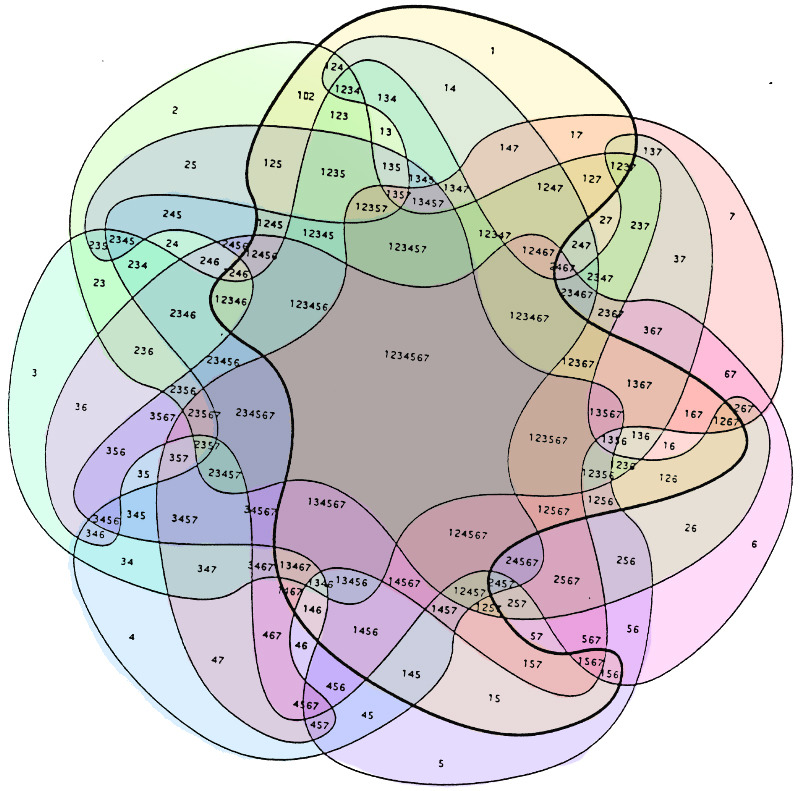
Anyway, the community of St James' has chosen itself. The church's main attraction is not it's the one nearest - the church's main attraction is its soul. The vision of the church is a radically inclusive interpretation of what it means to follow Christ, with a large drive to be proactive in creating change which can be seen in their mission statement. And the diversity of the community goes beyond one congregation. There are people who identify as part of the SJP community who have never met; it's a network of groups, and massive, multiple Venn diagram.
So it is deeply impressive that the ministry of St James' is just so good. I have been told over and over that there's nowhere like SJP and good gracious is that true! There is just so much going on - if that's the diagram of the people, imagine what management of it all would be drawn as! The key as I see it has been delegation. Ministry is provided by the clergy certainly, but also the entire team of staff really, like the vergers, and also a dedicated set of long-term volunteers, enthusiastic mid-term volunteers, ad-hoc volunteers, and basically everyone is welcome to pitch in.

It's a way to keep the behemoth running, and it works because of two things. One, the prevailing attitude is of encouragement and a rejection of judgement. And two, people respond to that attitude because they have chosen the church themselves, and if you've actively aligned yourself with a community, you are much more likely to want to support it.

Being a visitor at weekday services has been interesting; I’ve been to seven, three in Cambridge and four in London. I didn’t think about it before I started, but I shouldn’t have been surprised that the churches that are most likely to have actual services during the week – rather than other activities – are Anglo-Catholic, and high Anglican churches. So there hasn’t been the diversity of experience I thought I would get from visiting so many. It has been achingly lovely that the services are so familiar; the theory of Common Worship in practice is wonderfully reassuring for a newcomer.

It didn’t really give me an idea of their ministry though. I occasionally looked round at notice boards and the like, and the priests were varying degrees of welcoming. Some didn’t come up to me at all, some stood by the door and did a basic handshake greeting, and some kept me in conversation about myself, why I was there etc. Obviously the latter was most enjoyable for me (an extrovert). So the only ministry I really experienced was a dedication to keeping up tradition and a regular, frequent schedule of worship and Eucharist. Only two had coffee afterwards, both in Cambridge, and presumably they did so because they were morning services, as opposed to lunchtime or evening. The third morning service, also Cambridge, was nice simply because I was the only person who turned up, which pleased the priest no end. The intimacy of a two-person Eucharist was novel and absolutely great – the feeling of connection and sacredness was totally different to a big Sunday morning congregation affair.

The eighth church I have visited was a Sunday evening service at a conservative, evangelical church. TOTALLY different ministry, jeez. Not a Eucharist service, to my surprise. Millions of young people and students, singing worship songs with a band. A leader in casual normal clothes speaking about the church’s recent activity, and then interviewing one of the young people about their journey from Hindu to atheist to Christian, with very leading questions like “What was it that made atheism just not work for you?” Then a humongous sermon that didn’t really say much except repeat and underline very basic principles of the faith. And it was Pentecost, but was that mentioned? Nope. Which made this outfit I happened to be wearing stick out even more.

The leader came straight up to me and was very insistent in recommending I read the Gospel (as if I haven’t). A small part of me wondered if he thought I was possessed by a fire demon.

So obviously this experience was a very different ministry. The service was simple, singing and talking and reading the Bible. The thinking was minimal, the speaker similarly sticking with simple truths and not going very deep. Doesn’t appeal to me in the slightest, but people want different things out of their communal worship, and their religion itself I suppose. Not everyone responds/finds it useful to have a structured liturgical year, or have a physicality to their ritual of moving around, bowing, call and response, eating and drinking. For some, life is complicated, and religion is a way of having easy answers to big questions, so there is a part of life they don’t need to think or worry about.

It was popular, so the ministry did appeal to a lot of people. And – leaving the conservatism aside – creating a simple space for people’s spiritual life to be a relaxing, easy experience I suppose is a good ministry to provide, and the basic principles extolled were about the same as I’ve experienced elsewhere. I just hope that as the congregants get older, they go further afield to seek deeper wisdom so their journey with God doesn’t get stuck at this surface level beginners stage.

When it comes to mission, I don’t really think I have any experience. It immediately brings to mind “God Hates Fags” signs, and that’s definitely from media intake rather than personal experience.  My reflection on my experience of mission is that I need to get some!